Contracts
How do you know if your Maintenance Provider is doing a good job? Here are 10 signs to look out for
There are some obvious warning signs that a Building Manager can look out for, and things we can do to improve the situation.
There are some obvious warning signs that a Building Manager can look out for, and things we can do to improve the situation.
How do I know if my Lift is being maintained properly? Check the callout history, test records and site visit hours, and have an independent consultant audit the equipment.
Want an independent view of your own lifts?
Talk to a consultantYou pay for Lift maintenance every month, but most of the work happens out of sight, so it is difficult to tell what you are paying for. Is anything actually being done?
We regularly audit sites where the Building Manager or Owners Corporation Manager has had no idea that their equipment was in a poor condition, despite in some cases paying above-market rates for a fully comprehensive contract. We often find poor levels of housekeeping, basic tasks being missed and many components not being maintained.
You don't need to be a Lift Technician to spot some of the warning signs. This article lists ten of them, and what you can do about each one.
If a Lift breaks down for the same reason week after week, the Lift Contractor is probably 'resetting' the fault each time without finding the root cause. It is a good idea to ask for the callout history and then look-out for any patterns, or repeat callouts, with the same comments included each time. When there is a pattern of repeat failures due to the same issue, this should be escalated internally by the Maintenance Provider to their technical division.
Basic fundamentals missed. Zero respect for the asset.
Richie Lobert, on a site paying above-market rates
The Technician arrives for a breakdown and finds the Lift in operation and charges a callout fee for the visit. An occasional "running on arrival" callout may be acceptable, however, if this is something which happens frequently, it is likely that there is an intermittent fault that nobody is investigating. In our experience, callouts aren't often reported for no good reason!
Always look for patterns in the callouts. If you are charged for a running on arrival call, and a later call identifies a fault, it is possible that the charged call should not have been charged at all.
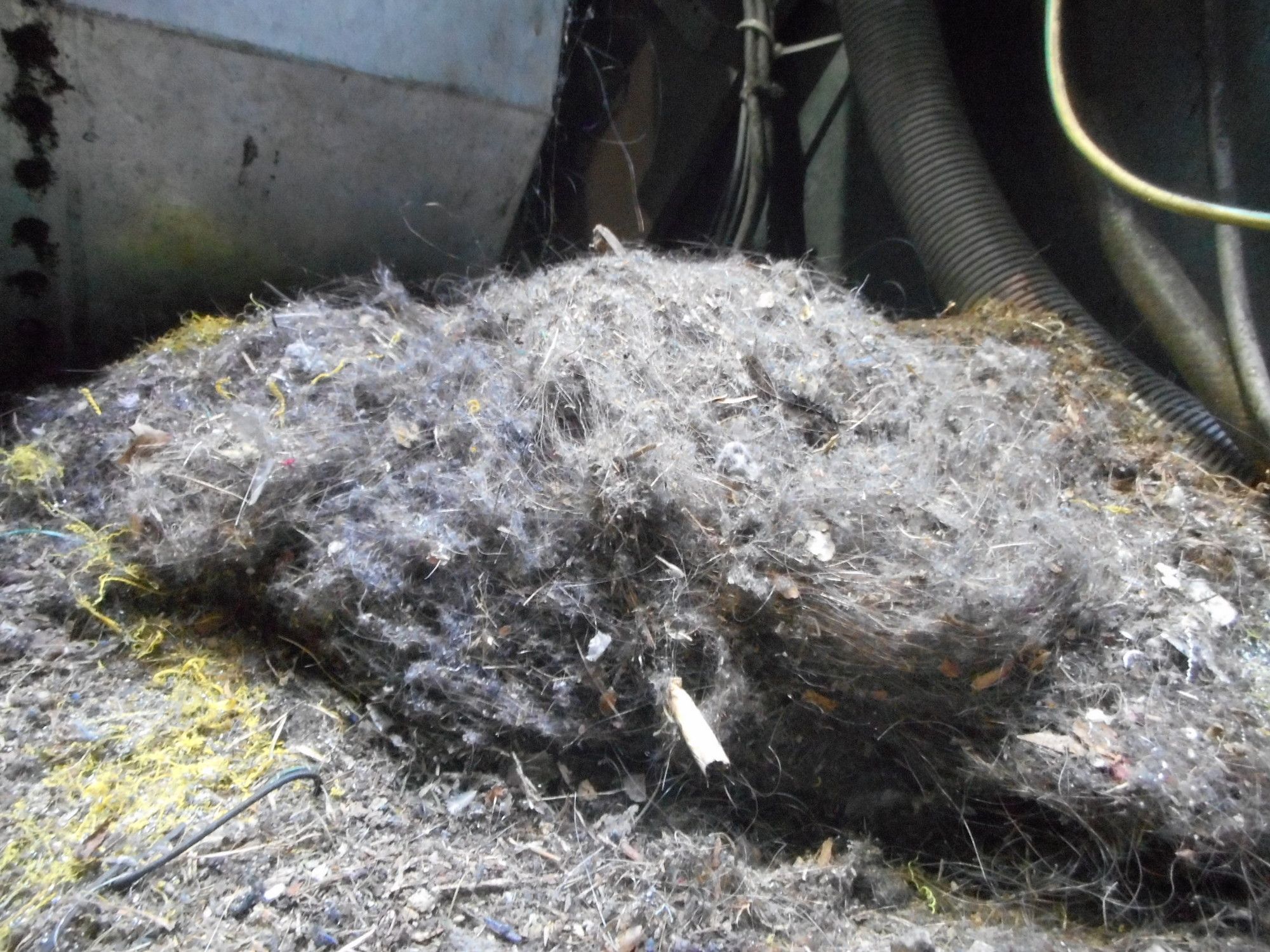
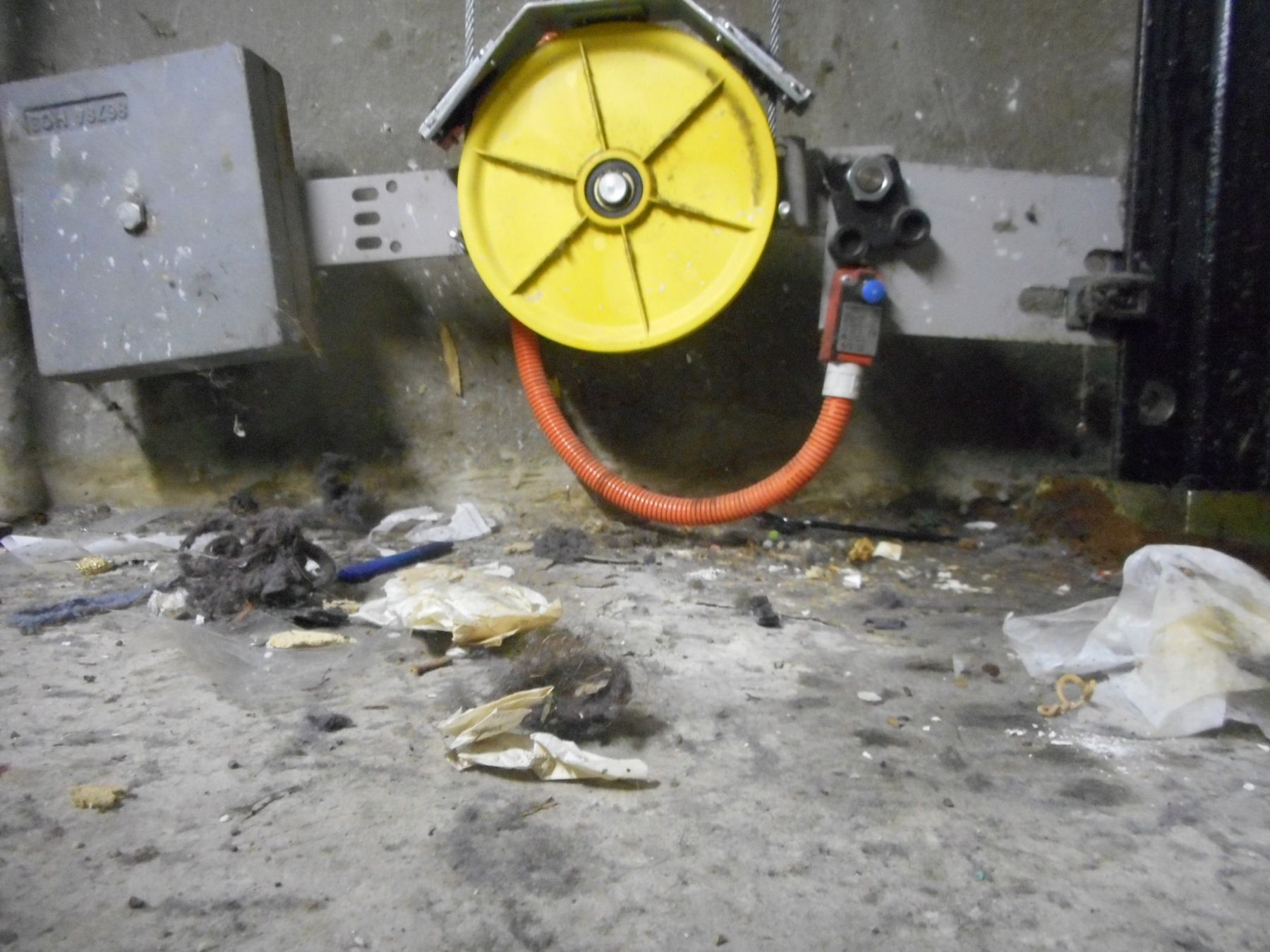
Why not ask to see the Machine Room, or look in the pit the next time your Maintenance Provider is present? The findings may be interesting. The accumulation of debris, dust, rubbish and oil would suggest that basic housekeeping isn't being done. So, whilst this doesn't give you the total picture, when simple housekeeping tasks are being overlooked by your Maintenance Provider, what else is being missed?
You can look for some obvious problems which you can see yourself, such as car buttons not illuminating, broken or defective lighting, position indicators or screens in the Lift car, or split or damaged Escalator handrails. If issues remain outstanding months later despite regular maintenance visits, the visits aren't achieving anything, or potentially are not being done.
When a Lift stops above or below the floor level this creates a trip hazard. An adjustment may be required, and this should be reported to the Maintenance Provider and addressed promptly.
Ask Technicians to sign in and out where possible, then compare their hours on site with the minimum hours stipulated in the Maintenance Agreement. If the Agreement you have in place doesn't specify minimum hours, that's already a warning sign.
Many Maintenance Agreements say only that the equipment will be 'regularly and systematically' maintained. That wording is open to interpretation and leaves the Contractor with complete flexibility over what it does and how often.
Lifts need regular safety tests completed, including safety gear, speed governor and emergency lighting tests. Ask for the records. They should either be in the logbook within the Machine Room or controller cabinet, or available electronically. If they can't be produced, the tests may not have been done.
New creaks, rattles, bumps and vibration during travel are signs of wear. Ride quality should stay consistent between services, and it tells us a lot. A ride quality analysis is something we complete during our equipment audits.
On a comprehensive Maintenance Agreement, most repair works should be covered. A growing stream of invoices, particularly for "obsolete" parts, deserves a closer look. Whilst some may be legitimate, others may be for work which the contract already covers. See our guide Before you renew your lift maintenance contract.
People getting trapped in a Lift is the most serious sign of all. Every entrapment should be closely investigated and the root cause identified and addressed. Passenger entrapments place Building Management at risk of litigation, and a Lift that traps passengers repeatedly should be removed from service until the Maintenance Provider can guarantee its reliability.
Poor maintenance causes three main problems:
Owners with poorly maintained Lifts often pay twice: once in the contract fee, and again for avoidable breakdowns and parts.
Check the callout history, test records and site visit hours, and have an independent consultant audit the equipment.
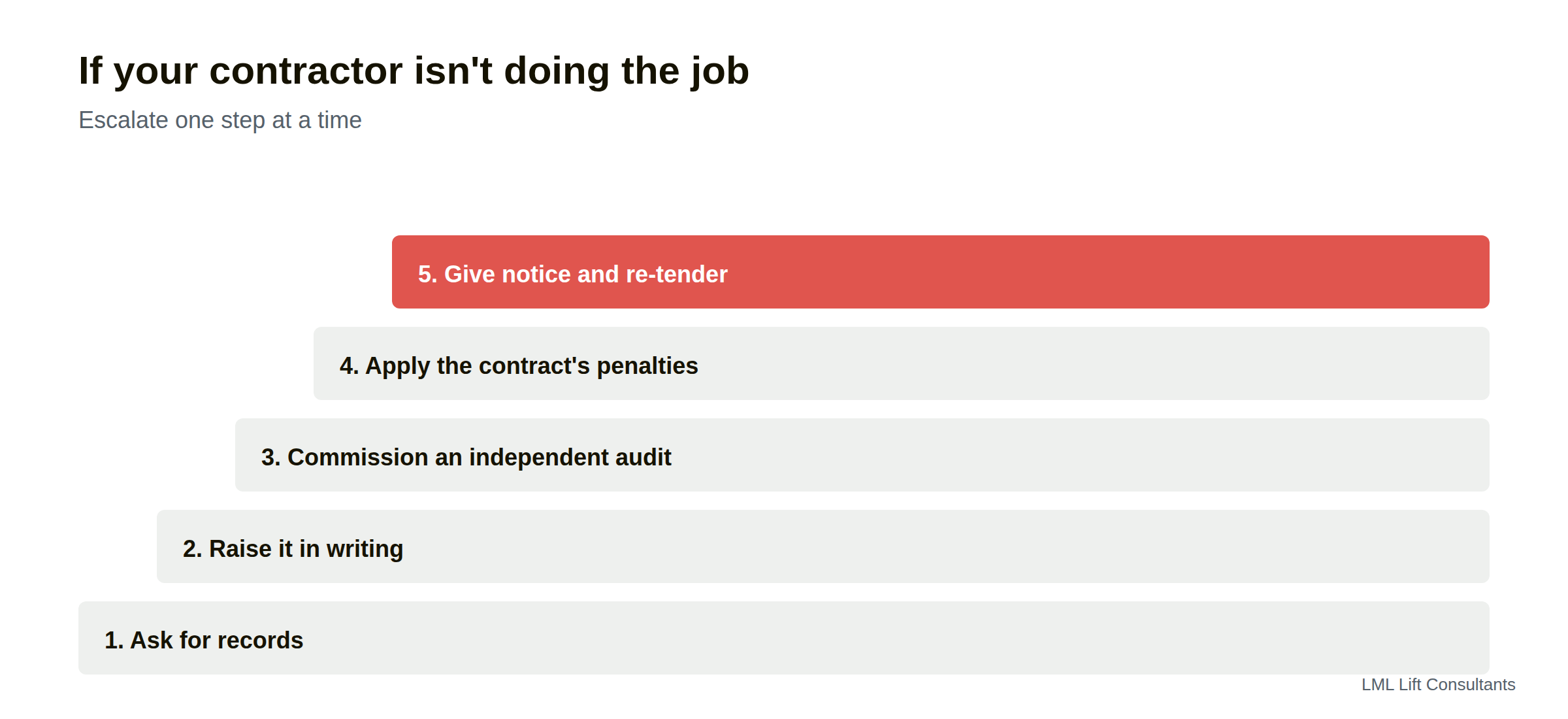
Ask the contractor for the cause of each breakdown and a plan to fix it. If breakdowns continue, get an independent audit.
Yes, usually at the end of the contract term. Check the roll-over and termination clauses first.
The consultants at LML Lift Consultants have all worked for the major Lift companies. We know what good maintenance looks like, and where to look when it is missing.
Book an independent audit or call 1300 001 565.
We sell no equipment and take no commissions. Tell us about your building and a consultant will come back to you.