Services
We advise on, audit and manage lifts, escalators and moving walks for building owners, owners corporations and portfolio managers across Australia, New Zealand and PNG, independent of any manufacturer or contractor.
Our services
What condition are the lifts actually in, and what will they cost us?
Learn more →
Are we getting the maintenance we're paying for?
Learn more →
What can we put in front of the board, the committee or the insurer?
Learn more →
How much life is left, and when should we plan to spend?
Learn more →
Are we exposed, and can we prove we're not?
Learn more →
Across everything we own, what do we do first and why?
Learn more →
How do we get the lifts right before the building locks them in?
Learn more →
Do we actually need this upgrade, and who represents us if we do?
Learn more →

Evidence, not opinion
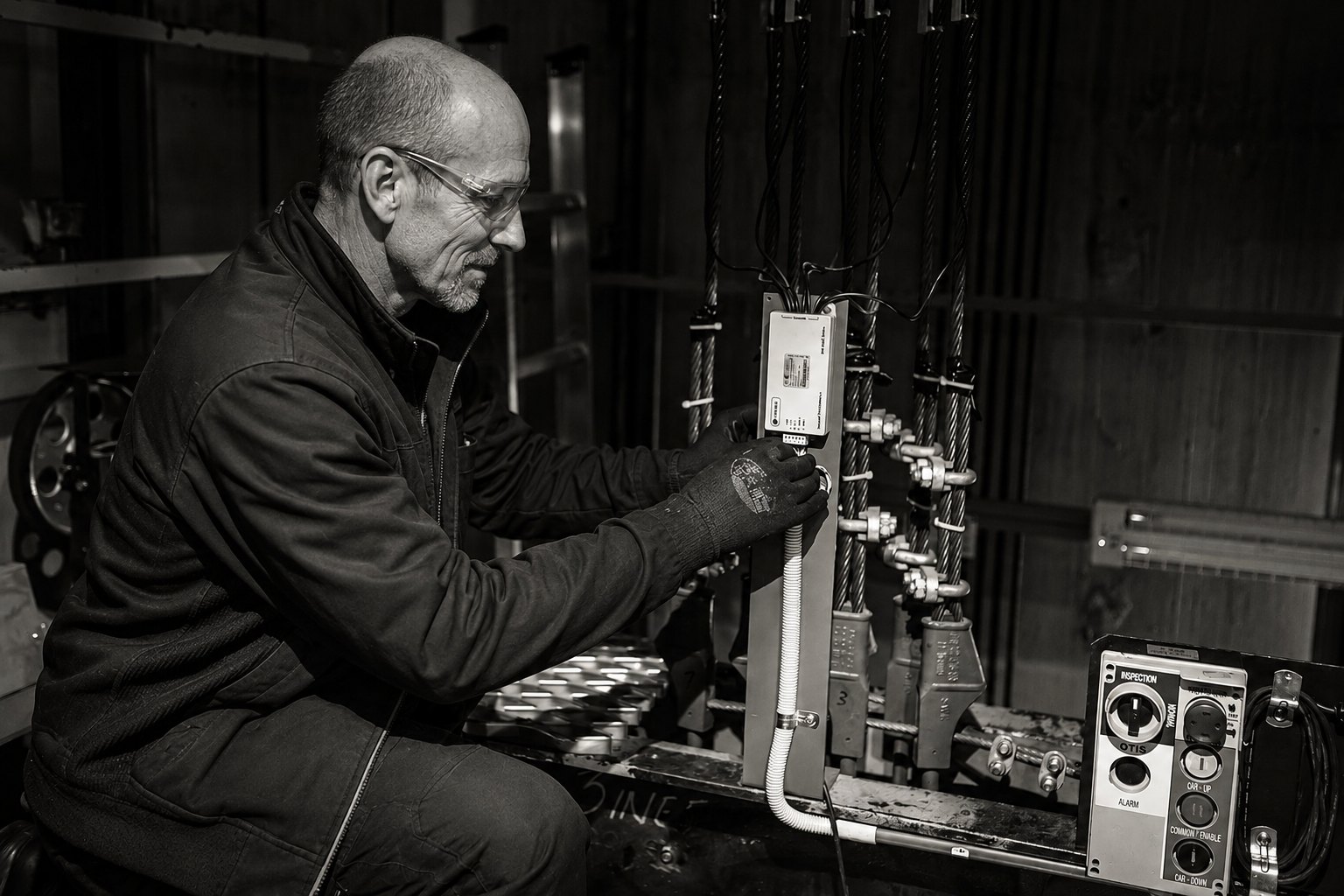
We don't assess assets from a desk. LML Lens™ puts a consultant in the machine room and the pit, working to standardised assessment criteria with photographic evidence captured against every finding.
That's what makes our reports defensible when a board, committee, insurer or purchaser relies on them.
How our audits work →Equipment we support
Our consultants work across the full range of vertical transportation equipment, from standard passenger applications to specialised installations. Passenger, goods and freight lifts are covered by the same code, so we treat them as one category and scope the difference on site. Hoists sit under a different standard again, AS 1418, and are assessed to it. Contact us to discuss more specialised or heritage equipment.
09
10
See more. Know more. Act with confidence.
We inspect to a set procedure, photograph every finding, score against fixed criteria, and check the work before it leaves us.
See LML Lens →Additional services
Independent advice on bringing lift emergency communications onto current networks. We inspect the existing equipment and connection, select the appropriate product, and seek and manage proposals on the owner's behalf through to completion.
Get in touch →The DLP is when teething problems surface, and when an owner can least afford them. We attend meetings with building management and the lift contractor, analyse the monthly breakdown report for trends, and certify any chargeable invoice claimed as outside the DLP maintenance.
Get in touch →A snapshot assessment before you commit: equipment type, age and condition, safety and reliability, short to medium term requirements, the adequacy of the current maintenance, and the cost of repairs or upgrades likely to follow.
Get in touch →The documented condition of vertical transportation equipment before adjacent construction begins, photographed and dated, so any later damage claim is settled on evidence rather than argument.
Get in touch →Independent assessment of lift, escalator and moving walk equipment after an incident, written for owners, insurers and loss adjusters, establishing what was damaged, what is recoverable and what has to be replaced.
Get in touch →Compliant signage and decals for lift cars, landings and machine rooms, supplied to current requirements, so a small compliance item does not become an audit finding.
Get in touch →Most engagements start with a single independent assessment. Tell us about your building and we'll advise on the right starting point.